

Specialist Neck Pain Management

Expert diagnosis and comprehensive treatment for neck pain from Dr. Mona Mubarak, Consultant in Chronic Pain Management. We provide targeted interventions for cervical radiculopathy, whiplash, disc herniation, and complex neck pain syndromes.
Understanding Neck Anatomy
The cervical spine (neck) consists of seven vertebrae (C1-C7) that support the head, allow movement, and protect the spinal cord. It is a complex structure of bones, discs, nerves, muscles, and ligaments.
Cervical Spine Structure
Cervical vertebrae (C1-C7)
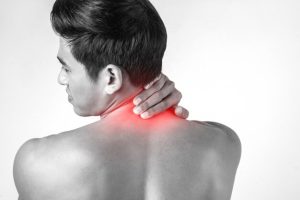
Key Anatomical Structures
- Cervical vertebrae: Seven bones (C1-C7) forming the neck skeleton
- Intervertebral discs: Cushioning pads between vertebrae
- Spinal cord & nerve roots: Transmit signals between the brain and the body
- Facet joints: Small joints enabling neck movement
- Muscles: Support and move neck (sternocleidomastoid, trapezius, scalenes)
- Ligaments: Hold vertebrae together
Why Neck Pain is Complex
Neck pain can arise from multiple structures and often radiates to other areas:
- Cervical radiculopathy: Nerve root compression causing arm pain/weakness
- Cervicogenic headache: Neck problems referring pain to the head
- Referred pain: From the shoulder, jaw, or upper back
- Whiplash: Acceleration-deceleration injury (common in car accidents)
- Degenerative changes: Disc degeneration, osteoarthritis, spinal stenosis
Common Causes of Neck Pain
Neck pain can result from various conditions affecting the cervical spine or surrounding soft tissues. Accurate diagnosis is essential for effective treatment.
Primary Neck Pain Categories
Mechanical Neck Pain
Muscle strain, poor posture, tension
- Muscle tension
- Poor ergonomics
- Sleep position
Degenerative Conditions
Disc degeneration, arthritis
- Cervical spondylosis
- Osteoarthritis
- Discogenic pain
Radicular Pain
Nerve root compression
- Herniated disc
- Foraminal stenosis
- Cervical radiculopathy
Traumatic Injury
Accident-related
- Whiplash
- Fractures
- Ligament injury
Common Neck Pain Conditions Compared
| Condition | Primary Location | Key Characteristics | Common Triggers |
|---|---|---|---|
| Cervical Radiculopathy | Neck with radiation to the arm | Shooting, burning, numbness, weakness in the arm/hand | Herniated disc, foraminal stenosis, repetitive neck movements |
| Mechanical Neck Pain | Localized to the neck and upper shoulders | Aching, stiffness, tenderness, worse with movement | Prolonged sitting, poor posture, stress, and overuse |
| Cervical Spondylosis | The neck may radiate to the occiput | Gradual onset, stiffness, limited range of motion, crepitus | Age-related degeneration, osteoarthritis |
| Whiplash Injury | Neck, shoulders, headaches | Sudden onset after acceleration-deceleration, muscle spasm, and dizziness | Car accidents, sports collisions, falls |
| Cervicogenic Headache | Neck, referring to the head (usually one side) | Headache triggered by neck movement, reduced neck range, and shoulder pain | Neck disorders, facet joint arthritis, and muscle tension |
Red Flags: When to Seek Immediate Medical Attention
Certain neck pain symptoms require urgent evaluation:
- Neck pain after significant trauma (fall, car accident)
- New or progressive neurological symptoms (weakness, numbness, tingling in arms or legs)
- Loss of bladder or bowel control
- Fever, chills, unexplained weight loss
- Severe, unrelenting pain, especially at night
- History of cancer, infection, or immunosuppression
- Difficulty walking, loss of coordination
Recognizing Neck Pain Symptoms
Neck pain symptoms vary depending on the underlying cause. Recognizing symptom patterns helps guide accurate diagnosis.
Symptom Patterns by Condition
Radicular Symptoms
- Electric shock-like pain
- Numbness/tingling in arm/hand
- Muscle weakness
- Specific dermatome pattern
Headache Features
- Pain from the neck to the head
- Occipital headache
- Triggered by neck movement
- Associated neck stiffness
Associated Symptoms
- Dizziness/vertigo
- Shoulder pain
- Limited range of motion
- Muscle spasms
Symptom Patterns by Condition
Cervical Radiculopathy
- Pain radiating down the arm
- Numbness/tingling in specific fingers (depends on nerve root)
- Weakness in specific muscle groups
- Worse with neck extension or rotation toward the affected side
- Positive Spurling’s test (neck compression reproduces arm pain)
- Common roots: C6 (thumb), C7 (middle finger), C8 (little finger)
Facet Joint Pain
- Localized neck pain, often on one side
- Pain with neck extension and rotation to the same side
- Tenderness over facet joints
- May refer to the shoulder or head (cervicogenic headache)
- Morning stiffness improves with activity
- Common after whiplash or with arthritis
Myofascial Pain
- Dull ache in neck and shoulders
- Trigger points (palpable tender nodules)
- Muscle tightness and spasm
- Pain referred to the head or shoulder from trigger points
- Associated with stress, poor posture, repetitive strain
- Often bilateral
Comprehensive Neck Pain Treatments
Effective neck pain management requires a multimodal approach tailored to the specific diagnosis, pain mechanisms, and individual patient factors.
Conservative & Non-Surgical Treatments
| Treatment Approach | Indications | Key Interventions | Expected Outcomes |
|---|---|---|---|
| Physical Therapy | Most neck pain conditions | Strengthening, stretching, posture correction, and manual therapy | Improved range of motion, reduced pain, and prevention of recurrence |
| Medications | Acute pain, neuropathic pain | NSAIDs, muscle relaxants, neuropathic agents (gabapentin, duloxetine) | Symptom relief, improved function |
| Activity Modification | Mechanical pain, postural strain | Ergonomic adjustments, activity pacing, and avoiding aggravating movements | Pain reduction, prevention of exacerbations |
| Manual Therapy | Muscle tension, facet joint dysfunction | Osteopathy, chiropractic, massage, mobilization | Reduced muscle spasm, improved joint mobility |
Pharmacological Management Principles
- Acute pain: Short-term NSAIDs, acetaminophen, muscle relaxants
- Neuropathic pain: Gabapentinoids (gabapentin, pregabalin), SNRIs (duloxetine), TCAs (amitriptyline)
- Muscle spasm: Cyclobenzaprine, tizanidine (short-term)
- Avoid long-term opioids: Risk of dependence, tolerance, hyperalgesia
- Topical agents: Lidocaine patches, capsaicin for localized pain
Interventional Pain Procedures
For patients with persistent pain despite conservative treatment, we offer targeted interventions:
Diagnostic & Therapeutic Injections
- Cervical epidural steroid injections: For radicular pain from disc herniation or foraminal stenosis
- Cervical nerve root blocks: Targeted at specific nerve roots (diagnostic and therapeutic)
- Facet joint injections: For facet-mediated pain, cervicogenic headache
- Medial branch blocks: Diagnostic for facet pain, prognostic for radiofrequency ablation
- Trigger point injections: For myofascial pain, muscle spasm
Radiofrequency Ablation
- Medial branch radiofrequency neurotomy: Long-lasting relief for facet joint pain (6-18 months)
- Pulsed radiofrequency: Non-destructive modulation for neuropathic pain
- Indications: Confirmed facet-mediated pain after positive diagnostic blocks
- Procedure: Minimally invasive, outpatient, real-time imaging guidance
- Success rate: 60-80% significant pain relief
Regenerative Medicine
- Platelet-Rich Plasma (PRP): For discogenic pain, facet arthritis, ligament injury
- Prolotherapy: For ligament laxity, chronic sprain
- Mechanism: Stimulates natural healing, tissue regeneration
- Procedure: Ultrasound-guided injections, often multiple sessions
- Evidence: Growing support for certain chronic neck conditions
Surgical Options & Referrals
For refractory cases with significant neurological compromise or structural pathology, we collaborate with neurosurgeons and orthopedic spine surgeons:
- Cervical discectomy and fusion (ACDF): For disc herniation, radiculopathy unresponsive to conservative care
- Cervical disc replacement: Motion-preserving alternative to fusion
- Foraminotomy: Decompression of the nerve root
- Laminectomy: For spinal stenosis
- Pre-operative optimization: Pain management, physical conditioning, realistic expectations
Multidisciplinary & Holistic Approaches
Comprehensive Management Strategies
- Ergonomic assessment: Workplace modifications, proper desk setup
- Postural retraining: Alexander technique, posture awareness
- Stress management: Cognitive Behavioral Therapy (CBT), mindfulness, relaxation
- Acupuncture: Evidence-supported for chronic neck pain
- Sleep optimization: Proper pillow support, sleep hygiene
- Graded exercise: Gradual return to activities, prevention of deconditioning
Treatment Algorithm for Neck Pain
- Step 1 (Accurate Diagnosis): Comprehensive history, physical examination, imaging as needed
- Step 2 (Conservative Care): Physical therapy, medications, activity modification for 4-6 weeks
- Step 3 (Diagnostic Interventions): Nerve blocks, facet blocks to identify pain generators
- Step 4 (Interventional Procedures): Therapeutic injections, radiofrequency ablation, PRP
- Step 5 (Surgical Consultation): For refractory pain or progressive neurological deficit
- Step 6 (Long-term Management): Maintenance exercises, ergonomics, lifestyle modifications
Specialist Neck Pain Consultation
Chronic neck pain can significantly impact quality of life, work, and sleep. Early specialist intervention often leads to better outcomes and prevents chronicity.
When to Seek Specialist Evaluation
- Neck pain persisting >4-6 weeks despite conservative treatment
- Pain radiating down the arm with numbness or weakness
- Headaches originating from the neck
- Limited neck movement affects daily activities
- History of trauma (whiplash) with ongoing pain
- Pain that interferes with sleep or work
- Failed prior treatments or considering interventional options
We offer comprehensive neck pain assessments, including diagnostic injections, imaging review, and personalized multimodal treatment plans.